
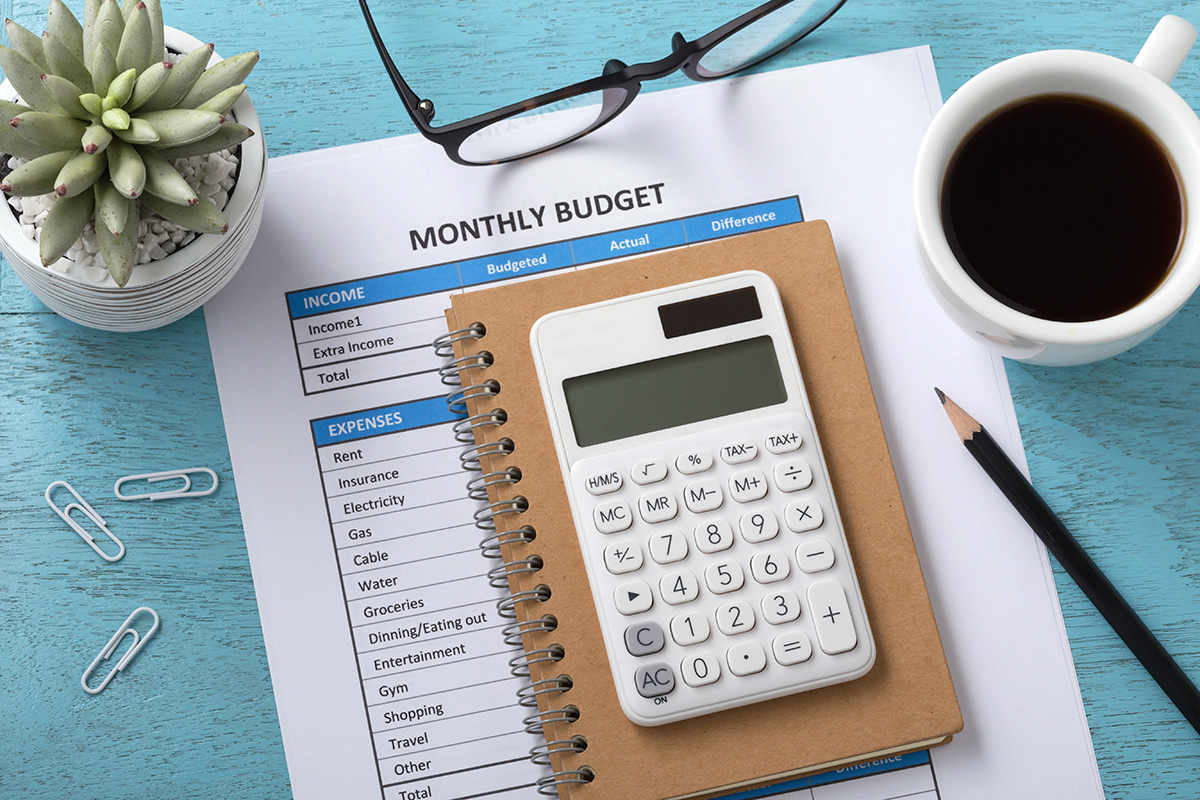
Taking the step into homeownership is exciting, but it also comes with a lot of responsibility. One of the most important things to consider when getting a mortgage is how it will fit into your overall budget. A mortgage is likely one of the biggest financial commitments you’ll make, and understanding how to manage it within your budget is essential for long-term financial health. Here’s how to budget effectively when getting into a mortgage.
Understand All the Costs Involved
When it comes to a mortgage, the home price is just the beginning. There are various other costs to consider as part of your new financial reality. Here are some of the key expenses you’ll need to budget for:
- Mortgage Payment: Your monthly mortgage payment will consist of both principal and interest. The principal is the amount you borrowed, while the interest is the cost of borrowing that money. Your lender will give you an exact monthly payment amount.
- Property Taxes: Property taxes are typically paid in installments but can be included in your monthly mortgage payment through an escrow account. Your lender collects this amount as part of your monthly payment and pays the taxes on your behalf when they’re due.
- Homeowners Insurance: Lenders require homeowners insurance to protect your home in case of disaster, fire, or other damages. Like property taxes, homeowners insurance may be bundled into your mortgage payment.
- Maintenance and Repairs: Owning a home means you’re responsible for maintenance and repairs. Unlike renting, where the landlord takes care of these issues, you’ll need to budget for things like lawn care, plumbing repairs, or replacing appliances.
- Utilities and Other Expenses: Don’t forget to factor in monthly utilities such as electricity, water, heating, and internet. These costs can vary depending on the size of your home and your usage, so make sure you have a reasonable estimate of what to expect.
Set a Realistic Mortgage Budget
Before you even start house hunting, it’s important to understand how much mortgage you can afford.
Once you have an estimate of how much you can comfortably afford, stick to it. It can be tempting to stretch your budget to buy a bigger or more expensive home, but doing so could leave you financially stretched and create unnecessary stress. Take time to evaluate what you truly need in a home and make sure your mortgage payments fit within your overall budget.
Create a Detailed Budget
Now that you know the costs involved, it’s time to create a detailed budget. Track your monthly income and all your expenses to get a clear picture of where your money is going. This includes everything from your mortgage payment and utilities to groceries, transportation, and discretionary spending.
Here’s how you can approach this:
- Income: Start with your total monthly income after taxes. This is the money you have available to cover all your expenses.
- Fixed Costs: Include your mortgage payment (principal and interest), property taxes, homeowners insurance, and any other fixed costs related to your home.
- Variable Costs: Include utilities, groceries, transportation, entertainment, and other monthly expenses. Be honest about your lifestyle and how much you typically spend in these categories.
- Savings: Don’t forget to allocate a portion of your income toward savings. Building an emergency fund, contributing to retirement, and saving for future home repairs are important to maintaining long-term financial security.
- Debt Payments: If you have credit card debt, car loans, or student loans, include these payments in your budget as well.
Plan for the Unexpected
Unexpected expenses can arise, especially when it comes to homeownership. It’s important to have an emergency fund in place to cover these unforeseen costs. Home repairs, medical expenses, or job loss can throw off your budget if you’re not prepared.
Financial experts recommend having at least 3-6 months of living expenses saved in an emergency fund. This will give you peace of mind and help you avoid financial stress in case something unexpected happens.
Review and Adjust Your Budget Regularly
Your budget isn’t set in stone. As you get more comfortable with your mortgage and your lifestyle changes, it’s important to review and adjust your budget regularly. For instance, if your income increases or you pay off debt, you may be able to allocate more money to savings or home improvements.
In addition, keep an eye on your mortgage interest rates, taxes, and insurance premiums. These can change over time, so you’ll want to factor any increases or decreases into your budget. By staying proactive and adjusting as needed, you’ll ensure that your mortgage remains manageable.
Find Ways to Save
While paying your mortgage is a priority, there are still ways to cut costs and save money each month. For example:
- Refinance Your Mortgage: If interest rates drop or your financial situation improves, consider refinancing your mortgage to lower your monthly payments or shorten your loan term.
- Cut Unnecessary Expenses: Look for areas in your budget where you can cut back. This could be as simple as cooking at home more often, canceling unused subscriptions, or finding cheaper alternatives for everyday purchases.
- Make Extra Payments: If you can afford it, consider making extra payments toward your mortgage. Even small extra payments can help reduce your loan balance faster and save you money in interest over time.
In the end Budgeting for a mortgage is about more than just covering your monthly payments. It’s about creating a well-rounded plan that includes all your homeownership costs and leaves room for other financial goals. By understanding the full scope of your mortgage expenses, setting a realistic budget, and planning for the unexpected, you can ensure that your mortgage fits comfortably into your financial life. With careful budgeting and a long-term perspective, you’ll be able to enjoy your home without the added stress of financial strain. When you’re ready, I’m here to discuss what options are best for you.