BMO Predicts 1.50% Bank of Canada Rate by Year-End If the U.S. Puts Tariffs on Canada
There’s been some big news in the world of Canadian economics lately. The Bank of Montreal (BMO) has made a prediction that if the United States decides to put tariffs on Canadian goods, the Bank of Canada (BoC) could lower its key interest rate to 1.50% by the end of 2025. But what does that mean for you, and why does it matter?
What Are Tariffs and How Do They Affect Canada?
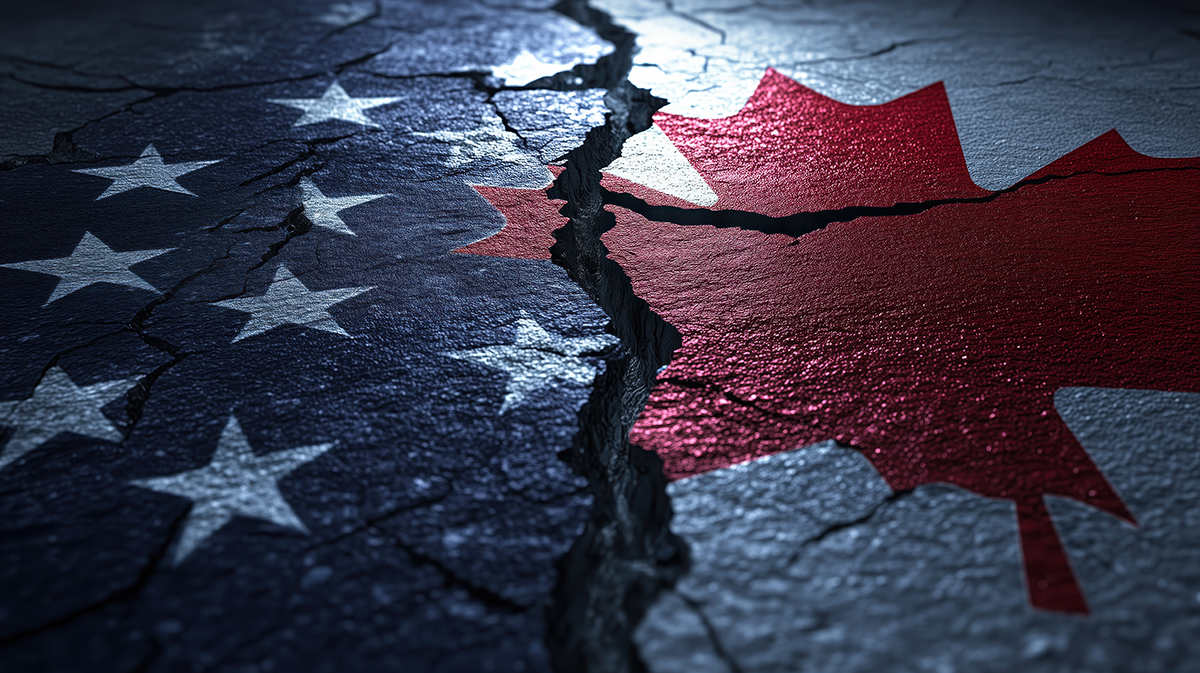
Tariffs are taxes that one country puts on goods imported from another country. So, if the U.S. imposes tariffs on Canadian products, it means that Canadian goods will be more expensive for Americans to buy. Since the U.S. is Canada’s biggest trading partner, this could hurt many Canadian businesses that rely on selling to American customers.
If tariffs were to be added, it could slow down Canada’s economy, particularly in industries like manufacturing, agriculture, and natural resources. That’s where BMO’s prediction comes in.
How Interest Rates Work
When the economy is struggling, the Bank of Canada can lower interest rates. Interest rates are what banks charge to lend money, and when they go down, it’s cheaper for people and businesses to borrow. This helps boost spending, which can help the economy recover.
BMO’s forecast suggests that if the U.S. imposes tariffs on Canadian goods, the Bank of Canada could lower its interest rate to 1.50% by the end of 2025. This would be a drop from the current rate of 4.50%. Lower interest rates would help make borrowing cheaper and encourage people to spend more, which would help support the economy during a tough time.
Why U.S. Tariffs Could Be Bad for Canada
Canada exports a lot of things to the U.S. like oil, lumber, and food products. If the U.S. puts tariffs on these items, it could make Canadian products more expensive, which would make Americans less likely to buy them. This could hurt Canadian businesses and cause job losses, especially in industries that depend on exports.
If these businesses suffer, it could affect the overall Canadian economy. This could lead to fewer jobs, lower wages, and less money being spent by consumers. The Bank of Canada would likely step in with interest rate cuts to try to keep the economy stable.
What’s Happening Globally?
It’s also important to remember that the global economy is facing many challenges right now. Rising inflation, supply chain issues, and other global problems are already putting pressure on economies worldwide. If the U.S. imposes tariffs on Canada, it could make things even more difficult for Canada and other countries.
BMO’s prediction that the Bank of Canada will cut rates to 1.50% is based on the idea that the trade problems could be bad enough to hurt Canada’s economy. Lower interest rates would be one way to help protect the country from a slowdown.
What Does This Mean for Canadians?
For everyday Canadians, a lower interest rate could mean cheaper mortgages, car loans, and credit. This might sound like a good thing, especially for people who want to borrow money. However, a weaker economy caused by tariffs could lead to job losses and less money for many people to spend.
So, while lower rates might make borrowing easier, it could also bring some financial challenges as the economy struggles. It’s important to stay informed and be prepared for whatever might happen in the coming months.
Conclusion
BMO’s forecast shows how closely connected the Canadian economy is to its trade relationship with the U.S. If tariffs are imposed, the Bank of Canada may lower interest rates to try to help businesses and consumers. However, there’s no way to predict exactly how bad the impact will be, and it will depend on how things develop with trade and global economics.
As Canadians, we’ll have to watch the situation closely and adjust our financial plans as needed. For now, the best thing we can do is stay informed and prepared for what comes next.